
In Brief: Chariot Alignment with FDA Section 524B.1

Chariot is more than a product; it’s a partnership that combines automated monitoring and human analysis to identify externally-accessible security risks. In light of the FDA’s latest requirements for in-market device security (summarized in Section 524B), Praetorian’s customers are having success leveraging the Chariot Managed Service as a cost-effective and scalable approach to satisfying Section […]
Cyber Cartography: Mapping a Target

As Phil Venables has said, “at some level, cyber defense is a battle over whether the attacker or defender has better visibility of the target. Action is key, yes, but without good ‘cyber cartography’ it can be hard to act in the right way.” An attacker’s first step is enumeration, or identifying what looks hackable. […]
Find More Secrets with Nosey Parker v.0.12.0
On March 2, 2023, we issued some updates to our secrets sniffing tool, Nosey Parker, which has been available as an Apache 2-licensed open-source project since December 2022. We originally developed the full version to embed in Chariot, our Attack Surface Management solution, because we needed a secrets detection tool that was as fast as […]
Open Source Tools: From Our Lab to Your Fingertips
One of the core decisions we’ve made at Praetorian is to maximize efficiency and effectiveness. In pursuit of this, we carefully select and implement automation and technical solutions for tasks that don’t need human attention. The key is choosing thoughtfully developed tech and tools; when we can’t find what we need, we create it ourselves! […]
Phantom of the Pipeline: Abusing Self-Hosted CI/CD Runners

Introduction Throughout numerous Red Teams in 2022, a common theme of Source Control Supply Chain attacks in GitHub repositories has emerged. After many hours manually hunting for and exploiting these attack paths, we’ve built an all-in-one toolkit called Gato (Github Attack Toolkit) for finding and attacking repositories where these misconfigurations are present. We released the […]
Nosey Parker RegEx: A Positive Community Response
On December 7, 2022, Praetorian Labs released a regular expression-based (RegEx) version of our Nosey Parker secrets scanning tool (see press release). This version improves on two primary pain points the community has historically encountered with other secrets scanning tools. First, Nosey Parker RegEx offers the fastest secrets scanning capability on the market–100 gigabytes of […]
Instrumenting an Automotive Module for Bench Testing

Finding vulnerabilities, hacks, exploits, and full root access are goals for security engineers when they begin to assess a device, right? But when working with hardware, you cannot simply dive into the hacking on day one. Your exploits will only be as successful as the setup work you’ve done! This post will discuss the process […]
Automating the Discovery of NTLM Authentication Endpoints
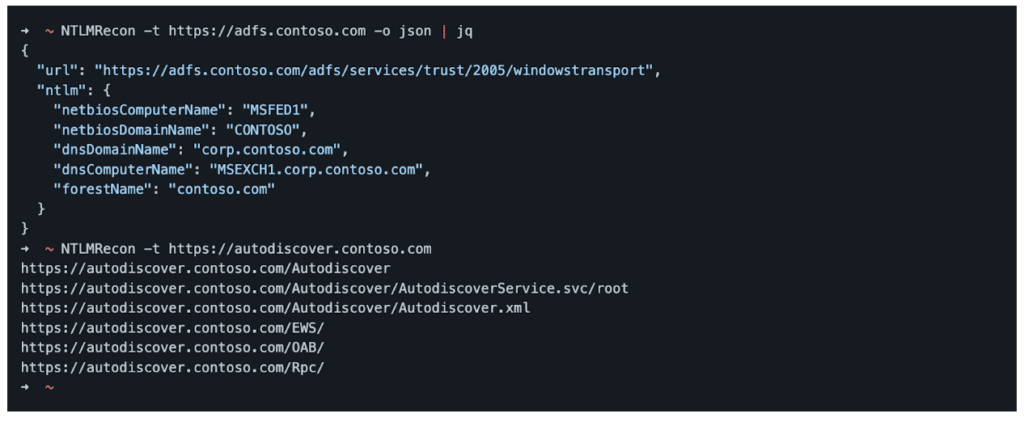
Recently, I have been working on adding support for automated enumeration and discovery of NTLM authentication endpoints to Chariot, our external attack surface and continuous automated red teaming product. Our red team requested this feature as a way to identify NTLM authentication endpoints exposed over HTTP that they could potentially leverage for password spraying attacks […]
Inspector, or: How I Learned to Stop Worrying and Love Testing in Prod
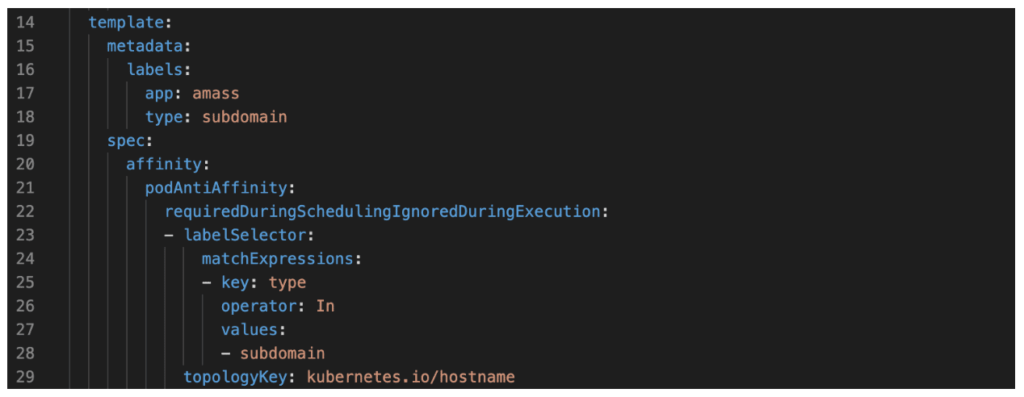
Overview Recently, I’ve shifted from primarily performing red team engagements to assisting in the development of Chariot, Praetorian’s attack surface management (ASM) and continuous automated red teaming (CART) product offering. Our Praetorian Labs team has developed multiple tools to support Chariot and our Services organization. One of these, a subsystem for the core asset enumeration […]
From Self-Hosted GitHub Runner to Self-Hosted Backdoor
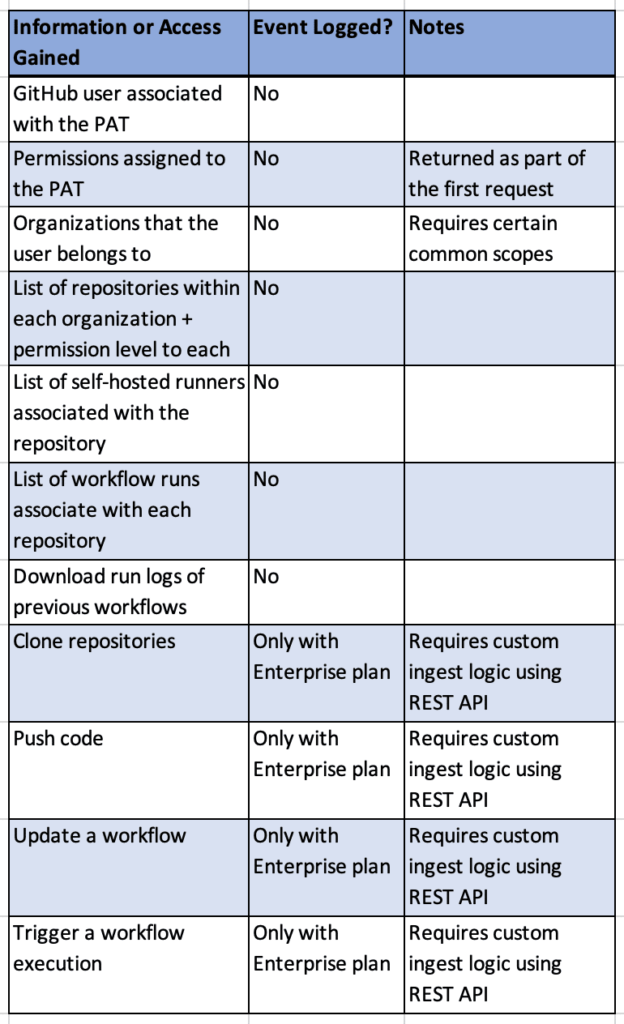
Overview Continuous Integration and Continuous Delivery (CI/CD) systems are powerful and configurable tools within modern environments. At Praetorian, we are seeing organizations migrate to SaaS solutions like GitHub (GitHub.com) as their source code management and CI/CD solution, instead of on-premises tools like BitBucket, Bamboo, and Jenkins. On our Red Team engagements , we routinely employ […]